
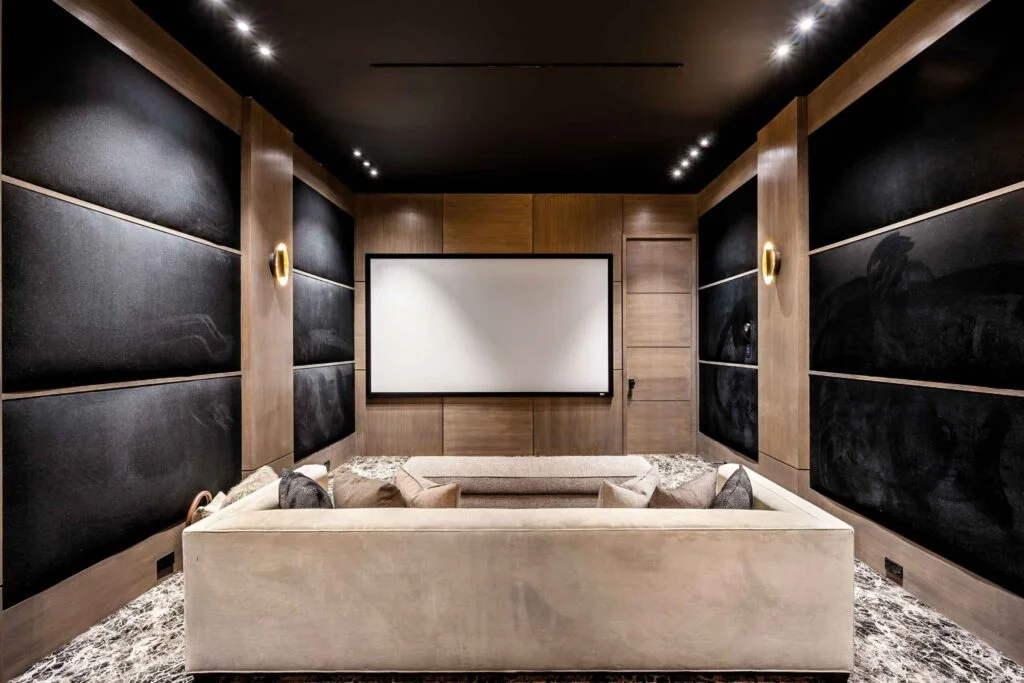
Acoustic design in interiors plays an important role in creating comfortable and peaceful living environments. In modern homes, noise from external sources or within the space can affect relaxation, focus, and overall well-being. Therefore, incorporating proper acoustic design helps in reducing unwanted noise and improving sound quality within interiors.
What is Acoustic Design?
Acoustic design focuses on controlling sound within a space. It involves reducing noise, managing sound reflections, and improving overall sound clarity. By using the right materials and layout, acoustic design helps create a balanced and quiet environment.
Importance of Acoustic Design in Interiors
A well-planned acoustic design enhances comfort and improves the quality of living. It helps reduce distractions caused by noise, making spaces more suitable for relaxation and productivity. In addition, it improves privacy by minimizing sound transmission between rooms.
Common Sources of Noise
Understanding where noise comes from is the first step in improving acoustics. External noise from traffic or surroundings can enter through windows and walls. Internal noise may come from appliances, conversations, or electronic devices. Hard surfaces such as walls and floors can also reflect sound, increasing noise levels.
Acoustic Design Solutions
There are several ways to improve sound control within interiors. Soft materials such as curtains, carpets, and upholstered furniture help absorb sound and reduce echo. Acoustic panels can be installed on walls or ceilings to control sound reflections. In addition, proper insulation in walls and ceilings helps block external noise effectively.
Role of Layout and Materials
The layout of a space plays a significant role in acoustic performance. Arranging furniture strategically can help reduce sound travel and create quieter zones. Choosing the right materials, such as wood, fabric, or specialized acoustic products, further enhances sound absorption and control.
Tips for Creating Peaceful Spaces
Creating a quiet and comfortable environment requires thoughtful planning. Using soft furnishings, adding rugs, and incorporating curtains can reduce noise levels significantly. In addition, sealing gaps around doors and windows helps block external sounds. Maintaining a balanced combination of materials and layout ensures better acoustic performance.
Benefits of Good Acoustic Design
Good acoustic design improves overall quality of life. It enhances comfort, supports better concentration, and creates a relaxing atmosphere. Whether in living rooms, bedrooms, or workspaces, effective sound control contributes to a more enjoyable and peaceful environment.
Conclusion
Acoustic design in interiors is essential for creating peaceful and functional living spaces. By understanding sound behavior and using the right materials and design strategies, it is possible to reduce noise and improve comfort. With proper planning, any space can be transformed into a calm and enjoyable environment.