
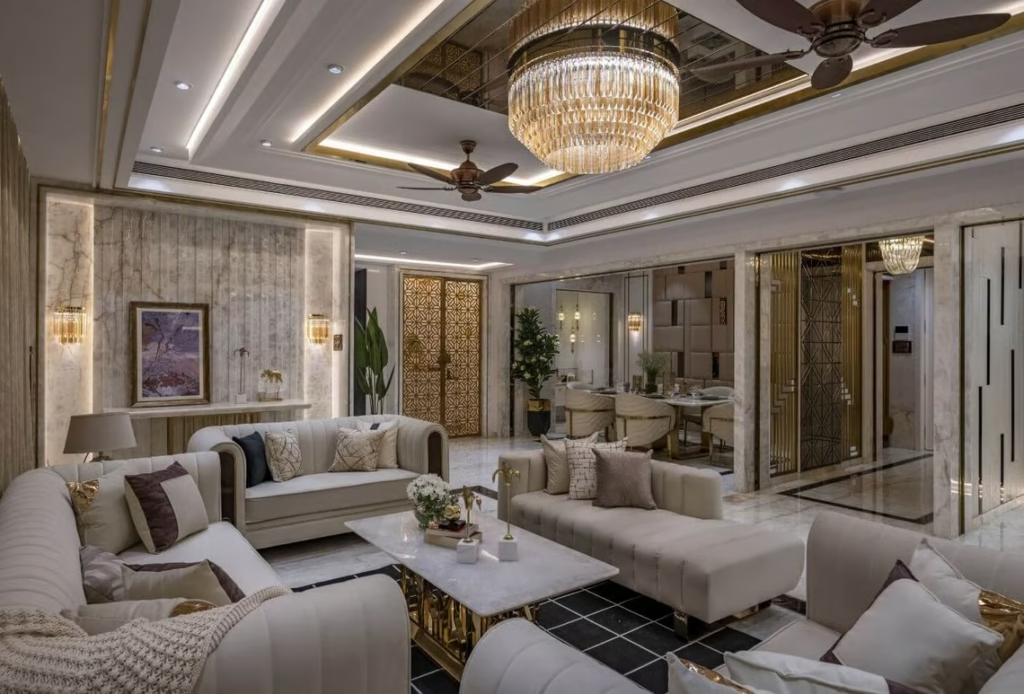
Organic modern interiors have become one of the most admired design directions in contemporary homes. The style combines clean modern lines with the warmth, texture, and calm of natural elements. Instead of feeling cold or overly minimal, these interiors create a refined environment that feels soft, grounded, and deeply inviting. For homeowners who want a space that looks elegant but still feels comfortable and connected to nature, organic modern design offers the perfect balance.
What Are Organic Modern Interiors?
Organic modern interiors blend the simplicity of modern design with the warmth of natural materials, earthy tones, and tactile finishes. The style is built around clean forms and uncluttered spaces, but it avoids the starkness often associated with strict minimalism.
This design approach focuses on creating harmony between structure and softness. It uses modern layouts and refined furniture silhouettes while bringing in wood, stone, linen, clay, and other natural textures that make the home feel calm and lived-in.
Why This Style Is So Popular
Homeowners today are moving toward spaces that feel peaceful, timeless, and comfortable rather than overly decorative or trend-driven. Organic modern design fits that shift perfectly because it offers visual simplicity without making a room feel empty.
It also responds to a growing desire for homes that support well-being. Soft natural textures, muted colors, and thoughtful layouts help create interiors that feel restful and easy to live in. That combination of luxury and comfort is one of the biggest reasons the style continues to grow in popularity.
The Core Elements of Organic Modern Design
Organic modern interiors rely on a few key principles. The first is simplicity. Spaces are usually uncluttered, with carefully chosen furniture and décor rather than excessive styling. The second is materiality. Natural materials do much of the visual work, so wood grains, stone surfaces, woven fabrics, and handcrafted finishes become central to the design.
Another defining feature is softness. Even though the style is modern, it often includes curved forms, layered textures, and warm finishes that make the space feel inviting rather than rigid. The goal is to create a home that looks refined but still feels relaxed.
A Palette Inspired by Nature
Color plays a major role in shaping the organic modern look. Most interiors in this style use a palette of warm neutrals and earthy shades. Off-white, beige, taupe, sand, warm grey, muted olive, clay, and brown tones are common choices.
These colors help create a calm backdrop while allowing natural materials to stand out. Rather than using bold contrast, organic modern interiors often rely on tonal layering. Different shades of the same family work together to make the room feel soft, cohesive, and elegant.
Natural Materials That Add Warmth
One of the strongest features of organic modern interiors is the use of natural materials. Wood is often the foundation, whether through flooring, furniture, ceiling details, or custom joinery. Oak, walnut, ash, and other warm timber finishes are especially common because they bring both texture and visual warmth.
Stone, limewash, linen, cotton, jute, cane, rattan, clay, and ceramics also play an important role. These materials create depth without making the space feel heavy. Instead of relying on shiny surfaces or decorative excess, the richness comes from tactile finishes and natural variation.
Clean Lines with a Softer Edge
Modern interiors are known for clean lines, but organic modern design softens that language. Furniture often has simple silhouettes, yet the overall composition feels warmer because of curved edges, plush fabrics, textured upholstery, and sculptural forms.
This balance is what makes the style so appealing. It keeps the home looking current and sophisticated while avoiding the harshness that can sometimes come with ultra-minimal design. A rounded sofa, a softly shaped coffee table, or an arched floor lamp can make a modern room feel far more welcoming.
Texture Is Essential to the Look
Because organic modern interiors avoid heavy ornamentation, texture becomes one of the most important design tools. It is what gives the space depth, richness, and personality.
Linen curtains, boucle chairs, woven rugs, matte wood finishes, plastered walls, ribbed glass, and handmade ceramic pieces all help create a layered environment. These textures keep the home visually interesting without overwhelming it. The result is a space that feels elevated but still easy to live in.
Furniture That Feels Understated and Luxurious
Furniture in organic modern interiors tends to be simple, comfortable, and beautifully proportioned. Pieces often have clean lines, low profiles, and a sculptural quality that makes them feel intentional rather than decorative.
The luxury in this style does not come from ornate details. It comes from quality, craftsmanship, and material choice. A well-designed dining table in solid wood, a neutral-toned sectional with soft upholstery, or a stone-topped side table can bring a quiet sense of sophistication to the room.
Lighting That Supports the Mood
Lighting in an organic modern home should feel warm, calm, and natural. Daylight is often treated as a key part of the design, so windows are kept open and light-filled wherever possible. Sheer curtains or soft drapes help filter light without blocking it completely.
Artificial lighting usually follows the same philosophy. Warm ambient lighting, soft pendant lights, sculptural wall lamps, and understated table lamps work well in this style. The aim is to create a soothing atmosphere rather than harsh brightness.
How to Bring Organic Modern Style Into Your Home
Creating an organic modern home begins with simplifying the space. Start by reducing visual clutter and focusing on pieces that serve a clear purpose. Choose a neutral palette and build warmth through natural materials rather than through too many decorative objects.
Invest in furniture with clean shapes and comfortable proportions. Add texture through fabrics, rugs, ceramics, and wall finishes. Use lighting carefully to support the mood of each room. Most importantly, keep the design balanced. Organic modern interiors should feel calm and curated, not overly styled.
Why Organic Modern Interiors Feel Timeless
One reason this style continues to resonate is that it does not depend on loud trends. It is rooted in materials, proportion, comfort, and simplicity, which gives it lasting appeal. Natural textures do not go out of style quickly, and warm neutral palettes tend to age gracefully.
Organic modern interiors also adapt well to different types of homes. Whether in an apartment, villa, or contemporary family home, the style can be shaped to suit the architecture while still maintaining its calm and luxurious character.
Conclusion
Organic modern interiors offer a beautiful balance of nature and luxury. They combine modern simplicity with natural textures, soft tones, and warm materials to create spaces that feel elegant, comfortable, and timeless. Instead of relying on excess decoration, the style focuses on thoughtful design choices that support both aesthetics and everyday living. For homeowners who want interiors that feel calm, sophisticated, and deeply livable, organic modern design is one of the most compelling directions today.