
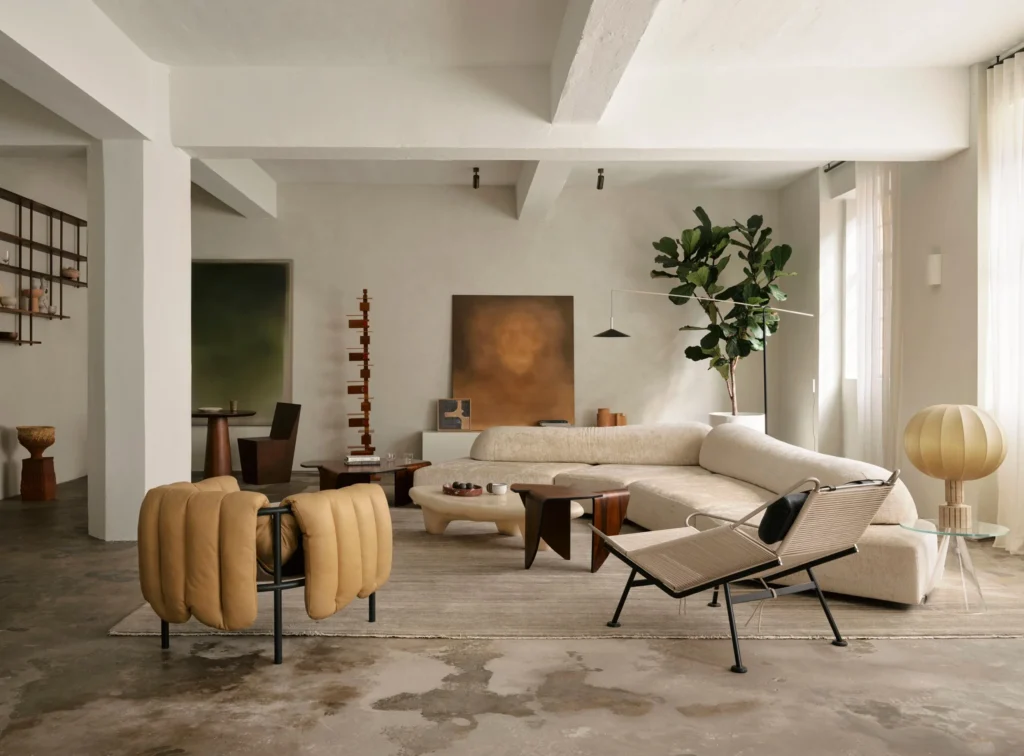
Japandi style has become one of the most admired interior design trends in recent years, and for good reason. It brings together the calm simplicity of Japanese interiors and the warmth, comfort, and functionality of Scandinavian design. The result is a design style that feels peaceful, refined, and deeply livable. In a time when homeowners want spaces that feel both beautiful and grounding, Japandi offers a thoughtful balance of minimalism, natural materials, and everyday comfort.
What Is Japandi Style?
Japandi style is a design approach that combines two well-loved aesthetics. From Japanese interiors, it takes simplicity, restraint, natural materials, and a deep respect for craftsmanship. From Scandinavian design, it borrows warmth, practicality, light-filled spaces, and a focus on comfort.
Together, these influences create interiors that feel clean without being cold and minimal without feeling empty. Japandi is not about filling a home with decorative elements. Instead, it focuses on intentional design, timeless materials, and a sense of calm that makes the home feel effortless.
Why Japandi Has Become So Popular
Modern homeowners are increasingly moving away from overly decorated interiors and fast-changing trends. Many now want homes that feel lighter, quieter, and easier to live in. Japandi fits that shift perfectly because it supports a slower, more intentional way of living.
The style also works well in both compact apartments and spacious homes. Its emphasis on uncluttered layouts, functional furniture, and soft natural finishes makes it highly adaptable. More importantly, it creates an atmosphere that feels restorative, which is one of the biggest reasons behind its growing appeal.
The Core Principles of Japandi Interiors
At its heart, Japandi is built on simplicity, balance, and purpose. Every design decision is intentional. Furniture is chosen for both form and function. Materials are selected for their natural beauty and texture rather than for excess decoration.
A Japandi home usually feels open, calm, and grounded. The design avoids visual noise and instead relies on thoughtful composition, clean lines, muted tones, and quality craftsmanship. Rather than following a “less is more” approach in a rigid way, Japandi focuses on creating a home that feels meaningful and comfortable.
A Palette Rooted in Nature
Color plays a major role in shaping the Japandi look. Most Japandi interiors use a calm palette inspired by nature. Soft whites, warm beiges, greys, taupes, muted greens, earthy browns, and charcoal tones are common choices.
Unlike stark minimal interiors that can sometimes feel too cold, Japandi often includes warm undertones that make a room feel inviting. Darker accents may also appear through black metal details, stained wood, or ceramic décor, but the overall look remains quiet and balanced rather than dramatic.
The Importance of Natural Materials
Natural materials are central to Japandi design. Wood is often the most prominent element, especially in furniture, flooring, shelving, and architectural details. Light oak, ash, walnut, and other natural timber finishes help bring warmth and softness into the space.
Stone, linen, cotton, bamboo, cane, clay, and handmade ceramics also play an important role. These materials add texture and authenticity without overwhelming the room. Instead of relying on shine or ornamentation, Japandi interiors gain richness through tactile surfaces and subtle material contrast.
Clean Lines with Soft Warmth
One of the reasons Japandi feels so balanced is that it combines clean architectural lines with a warm and inviting atmosphere. Furniture often has simple silhouettes, low profiles, and understated detailing. At the same time, soft fabrics, layered textures, and natural finishes prevent the space from feeling severe.
This is where the Scandinavian influence becomes especially important. While Japanese-inspired interiors can be very restrained, Scandinavian design introduces a sense of comfort and livability. The result is a space that looks calm and refined while still feeling welcoming for everyday life.
Functional Design Without Visual Clutter
Japandi style places a strong emphasis on functionality. Rooms are designed to work well, not just look good. Storage is often integrated in a way that keeps surfaces clean and the home visually calm. Open shelves are styled sparingly, and furniture pieces usually serve a clear purpose.
This does not mean a Japandi home feels empty. It means that every item has been chosen with care. Instead of filling a room with decorative objects, the focus shifts to fewer, better pieces that contribute to the mood and usability of the space.
Furniture That Feels Grounded and Timeless
Japandi furniture tends to feel low, simple, and carefully proportioned. Dining tables, sofas, beds, and accent chairs often feature clean forms, subtle curves, and visible natural materials. Pieces are designed to feel grounded rather than bulky, which helps maintain a sense of openness in the room.
Craftsmanship matters greatly in this style. A beautifully made wooden chair, a sculptural side table, or a simple bench in a natural finish can become more impactful than several decorative pieces. Japandi favors quality and longevity over trend-driven styling.
Texture Matters More Than Decoration
Because Japandi interiors avoid excess ornamentation, texture becomes one of the main ways to add depth and visual interest. Linen curtains, woven rugs, textured wall finishes, ceramic vases, handcrafted bowls, ribbed glass, and matte wood grains all help create a layered and inviting environment.
This subtle use of texture is what makes a Japandi interior feel warm rather than flat. It allows the space to remain minimal while still feeling rich and thoughtfully designed.
Lighting in a Japandi Home
Lighting in Japandi interiors is soft, calm, and purposeful. Natural light is often treated as an important design element, so window areas are usually kept light and open. Sheer curtains, soft linen drapes, and uncluttered openings help maximize daylight.
Artificial lighting follows the same philosophy. Instead of harsh overhead brightness, Japandi spaces often use layered lighting with warm ambient lamps, soft wall lights, and sculptural pendants. The goal is to create a soothing atmosphere, especially in the evening.
How to Bring Japandi Style Into Your Home
Creating a Japandi-inspired home does not require a complete renovation. The first step is to simplify the space and remove anything that feels visually heavy or unnecessary. A calmer layout instantly supports the Japandi mood.
From there, focus on natural materials, soft earthy colors, and furniture with clean silhouettes. Choose décor carefully and keep it minimal. A few handmade ceramic pieces, a wooden stool, a linen throw, or a textured rug can add character without creating clutter.
It is also important to think about how the home feels, not just how it looks. Japandi works best when the space supports daily routines, comfort, and a sense of calm.
Is Japandi Right for Every Home?
Japandi is surprisingly versatile. It works beautifully in apartments, villas, contemporary homes, and even renovated traditional spaces. Because it is rooted in balance and functionality, it can adapt to different layouts and architectural styles.
However, Japandi is best suited to homeowners who appreciate simplicity and intentional living. If you enjoy calm spaces, natural materials, uncluttered rooms, and timeless design choices, it can be an excellent fit. The style is especially valuable for those who want a home that feels elegant without being overly styled.
Why Japandi Continues to Influence Modern Interiors
Japandi is more than a passing trend. Its popularity reflects a larger shift in the way people want to live. Homes are no longer seen only as places to impress guests. They are increasingly expected to support rest, routine, mental clarity, and comfort.
That is why Japandi continues to resonate. It offers beauty without excess, warmth without heaviness, and simplicity without sterility. It encourages homeowners to focus on what truly adds value to a space and to create interiors that feel timeless, calm, and deeply personal.
Conclusion
Japandi style is a thoughtful blend of Japanese simplicity and Scandinavian warmth. It creates interiors that feel calm, functional, and beautifully balanced. With its focus on natural materials, muted palettes, purposeful design, and understated comfort, Japandi offers a refreshing alternative to overly busy interiors and short-lived trends. For homeowners who want a home that feels peaceful, elegant, and easy to live in, Japandi remains one of the most inspiring design directions today.