
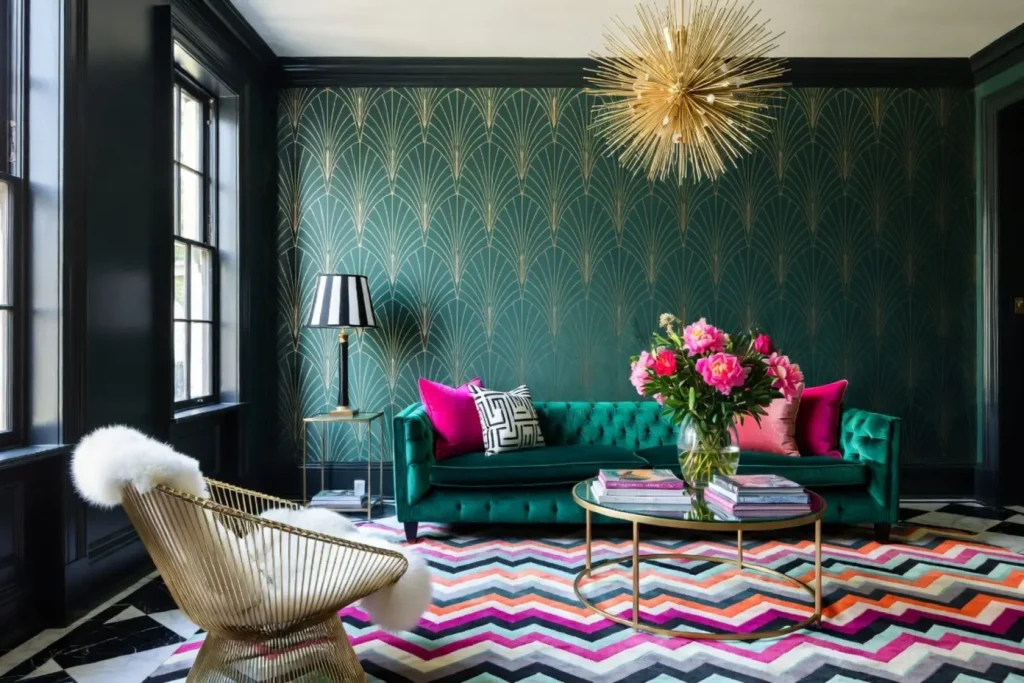
Interior design is about much more than selecting colors and furniture. One of the most effective ways to create depth, warmth, and sophistication in a space is through the thoughtful use of texture. Layering textures allows designers to add visual interest and character while making interiors feel more inviting and balanced. Whether designing a luxury residence, a contemporary apartment, or a commercial space, texture plays a vital role in transforming ordinary interiors into elegant environments.
What Is Texture in Interior Design?
Texture refers to the surface quality and appearance of materials used within a space. Some textures are physically felt, such as wood grain, stone, velvet, or linen, while others are perceived visually through patterns, finishes, and design elements.
A successful interior combines multiple textures to create contrast, balance, and harmony. Without texture, even beautifully designed spaces can appear flat and uninspiring.
Why Layering Textures Matters
Layering textures adds dimension and depth to an interior. Different materials interact with light in unique ways, creating visual richness and enhancing the overall atmosphere of a room.
A thoughtfully layered space feels more dynamic and comfortable. It allows designers to introduce personality while maintaining a cohesive and sophisticated design language.
Creating Balance Through Texture Layering
Effective texture layering involves balancing smooth, rough, soft, and structured surfaces. Combining contrasting materials creates visual interest without overwhelming the space.
For example, sleek stone surfaces can be paired with soft fabrics, while natural wood elements can complement polished metal accents. This balance helps create interiors that feel refined and well-curated.
Natural Materials Add Warmth and Character
Natural materials are often the foundation of rich and elegant interiors. Wood, stone, leather, cotton, linen, and natural fibers introduce organic textures that add warmth and authenticity to a space.
These materials not only enhance visual appeal but also contribute to a timeless design aesthetic that remains relevant for years.
The Role of Fabrics in Interior Design
Textiles are one of the easiest ways to introduce texture into a room. Upholstery, curtains, rugs, cushions, and bedding all contribute to the overall tactile experience of an interior.
Mixing different fabric textures can create a layered and luxurious appearance. Soft materials combined with structured finishes add comfort while elevating the visual appeal of the space.
Combining Hard and Soft Surfaces
A balanced interior often incorporates a combination of hard and soft materials. Hard surfaces such as stone, glass, concrete, and metal provide structure and durability, while softer elements introduce warmth and comfort.
This contrast helps prevent spaces from feeling overly formal or excessively casual, creating a harmonious environment that supports both functionality and aesthetics.
Using Texture to Define Different Areas
Texture can also help distinguish different zones within an open-plan layout. Varying materials and finishes create subtle visual boundaries without disrupting the overall flow of the design.
For example, textured rugs can define seating areas, while feature walls can add depth and character to specific sections of a room.
How Lighting Enhances Texture
Lighting plays an important role in highlighting textures throughout an interior. Natural and artificial light interact with different materials, creating shadows, reflections, and depth.
Strategic lighting placement can emphasize architectural features, showcase material details, and enhance the richness of layered textures. Proper lighting allows textures to become a focal point rather than a background element.
Avoiding Common Texture Layering Mistakes
While texture adds interest and sophistication, excessive layering can create visual clutter. The key is to maintain balance and consistency throughout the space.
Selecting materials that complement one another and following a cohesive design direction helps create elegant interiors that feel intentional rather than overwhelming.
Conclusion
Layering Textures is a powerful interior design technique that adds depth, warmth, and sophistication to any space. By thoughtfully combining materials, fabrics, finishes, and lighting, designers can create rich and elegant interiors that feel both visually appealing and comfortable. A balanced approach to texture layering helps transform ordinary spaces into timeless environments that reflect personality, style, and functionality.