
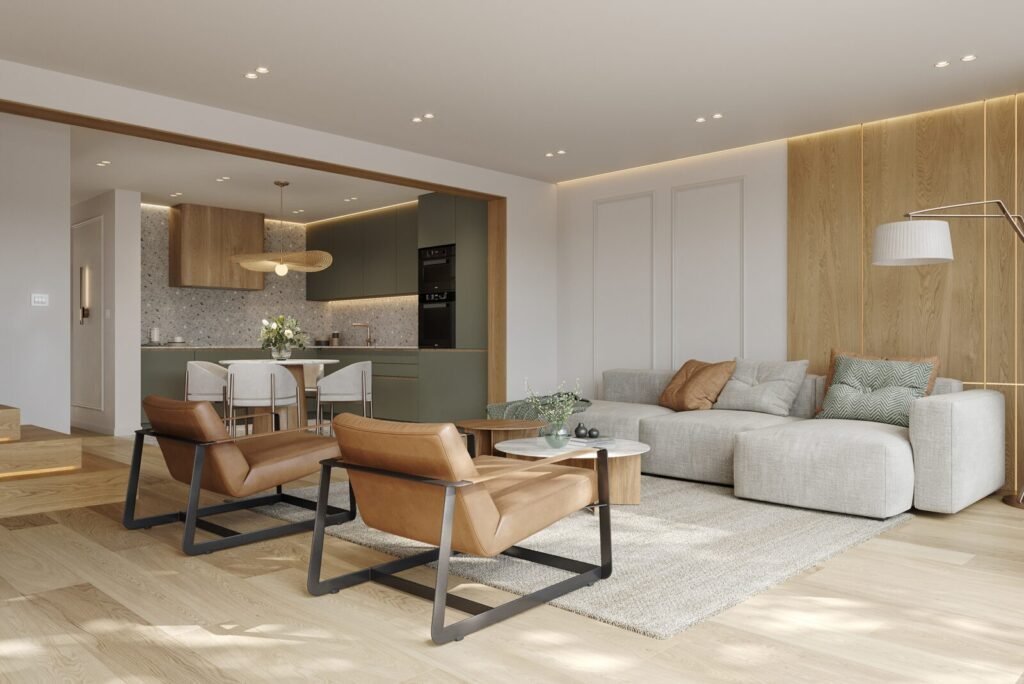
Textured neutrals have become one of the most influential interior design trends in modern homes. Instead of relying on bold colors or heavy decoration, this design approach creates depth and elegance through subtle layers of texture, material contrast, and soft neutral tones. The result is a home that feels calm, elevated, and timeless. For homeowners who want interiors that look sophisticated without feeling loud or overdesigned, textured neutrals offer a beautiful and highly versatile solution.
What Are Textured Neutrals?
Textured neutrals refer to an interior design approach built around neutral color palettes that gain richness through layers of material, finish, and tactile detail. Rather than depending on bright hues for impact, the design uses surfaces such as wood, linen, boucle, stone, plaster, wool, and ceramics to create visual interest.
This style is not about making a room plain or empty. In fact, it is quite the opposite. When done well, textured neutrals make a space feel deeper, warmer, and more intentional because the focus shifts from color to composition, craftsmanship, and the quality of materials.
Why This Trend Is Gaining So Much Attention
Modern homeowners are increasingly looking for interiors that feel calm, warm, and long-lasting rather than flashy or trend-heavy. Textured neutrals respond perfectly to that shift. They create a softer kind of luxury, one that feels effortless and timeless rather than overly styled.
The trend also works across many design styles. It can suit organic modern homes, contemporary spaces, minimalist interiors, Japandi settings, and even more classic environments. Because of this flexibility, textured neutrals have become a go-to choice for designers who want to create refined spaces with lasting appeal.
The Power of a Neutral Palette
At the heart of this trend is a carefully balanced neutral color scheme. Shades such as off-white, ivory, cream, beige, taupe, greige, warm grey, sand, and muted brown create a calm visual foundation for the space. These tones help a room feel open and serene while allowing texture to take center stage.
The beauty of neutrals lies in their ability to work quietly in the background. Instead of competing for attention, they support the room’s materials, furniture, and architectural features. This is what gives textured neutral interiors their effortless and polished feel.
Why Texture Matters More Than Color
In a home built around textured neutrals, texture becomes one of the main design tools. It creates contrast, depth, and movement without disrupting the calm mood of the room. A neutral sofa in boucle, a linen curtain, a rough stone side table, or a ribbed ceramic vase can all bring character to a space even when the color palette remains understated.
This is also why textured neutral homes never have to feel flat. When multiple tactile elements are layered together thoughtfully, the room gains richness and dimension while still maintaining visual softness.
Materials That Bring Textured Neutrals to Life
Material choice plays a huge role in making this trend work. Natural wood adds warmth and grounding. Linen and cotton bring softness and breathability. Wool and boucle introduce comfort and tactile depth. Stone, limewash, plaster, clay, and handmade ceramics add an earthy quality that feels timeless and refined.
The key is to mix these materials in a way that feels balanced rather than busy. A room does not need many different finishes, but it does need enough variation to keep the eye engaged. This is where expert design becomes important because the layering has to feel intentional.
Creating Warmth Without Bold Color
One of the biggest strengths of textured neutrals is their ability to make a home feel warm and welcoming without relying on bright or dramatic colors. The warmth comes from undertones, materials, and layering rather than from strong visual contrast.
A beige-toned room with oak flooring, linen upholstery, soft wool rugs, and textured plaster walls can feel far richer than a room filled with louder accents. The atmosphere becomes quieter, but also more luxurious. This is one reason textured neutrals are so often associated with high-end interiors.
How Textured Neutrals Make a Home Feel More Refined
Refined interiors are rarely about one statement piece. More often, they are about how every element works together. Textured neutrals support this kind of refinement because they encourage a more thoughtful approach to design. Every material, surface, and furnishing becomes part of the overall mood.
Instead of overwhelming the eye, the design creates a sense of visual ease. There is softness, continuity, and a quiet richness that makes the home feel composed. This subtle sophistication is what makes textured neutrals so powerful in modern interior design.
Furniture and Styling in Textured Neutral Homes
Furniture in these interiors usually follows the same philosophy as the overall palette. Pieces are often clean-lined, comfortable, and beautifully proportioned. Upholstery in soft fabrics, wood furniture with visible grain, and sculptural pieces in muted finishes all work well within this style.
Styling is usually restrained. A few well-chosen accessories such as ceramic objects, woven baskets, books, textured cushions, or a handcrafted lamp can add character without disrupting the calm. The goal is not to fill every surface but to create moments of interest that feel natural and balanced.
Lighting and Architectural Finishes
Lighting plays a major role in textured neutral interiors because it helps reveal the depth of materials. Natural daylight enhances the softness of plaster walls, linen drapes, and wood grains, while warm artificial lighting can make the room feel even more layered and inviting in the evening.
Architectural finishes also matter. Wall textures, ceiling details, flooring choices, and custom joinery all contribute to the overall effect. When these elements are considered carefully, textured neutrals feel immersive rather than simply decorative.
How to Use Textured Neutrals in Your Own Home
The best way to bring textured neutrals into your home is to start with a calm, cohesive palette. Choose a few neutral shades with warm undertones and then build interest through materials rather than color. Introduce wood, stone, soft fabrics, and handcrafted finishes in a balanced way.
It also helps to think in layers. Instead of decorating quickly, consider how the sofa fabric, rug texture, coffee table finish, wall treatment, and lighting all interact with one another. A refined neutral home is not about adding more. It is about choosing better and layering thoughtfully.
Why This Trend Has Lasting Appeal
Textured neutrals are more than a short-term trend because they are rooted in timeless design principles. They focus on comfort, quality, natural materials, and understated elegance rather than fast-changing color trends or decorative excess.
They also adapt easily to changing lifestyles. A neutral interior can evolve with new furniture, art, or accessories over time without losing its sense of cohesion. That flexibility makes textured neutrals a smart choice for homeowners who want their interiors to feel relevant for years to come.
Conclusion
Textured neutrals are redefining what modern luxury looks like. By combining soft neutral tones with natural materials and layered tactile details, this design trend creates homes that feel calm, sophisticated, and deeply refined. It proves that a space does not need bold color or heavy decoration to make a strong impression. With the right balance of warmth, texture, and thoughtful styling, textured neutrals can transform a home into an elegant and timeless living environment.