
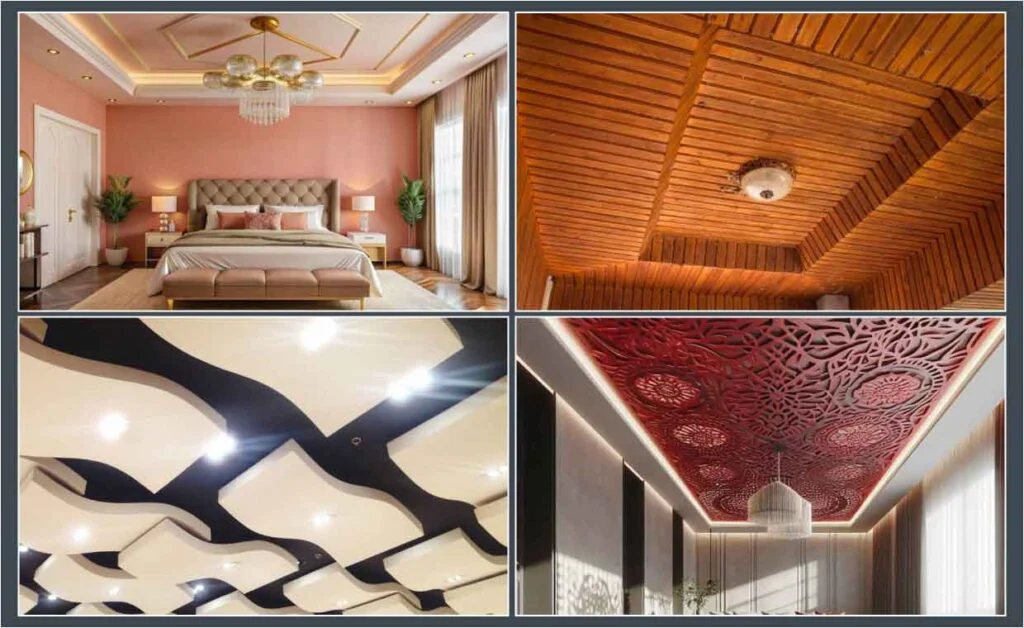
Ceiling design plays a crucial role in defining the overall look and feel of any interior space. Often overlooked, the ceiling has the potential to transform a room by adding depth, style, and character. With the right design approach, it can enhance lighting, improve aesthetics, and create a more cohesive interior environment. Therefore, exploring different ceiling design ideas can help in achieving a well-balanced and visually appealing space.
Importance
A well-designed ceiling adds dimension and elevates the overall appearance of a room. It helps in creating a focal point while also improving lighting distribution. In addition, ceiling design can influence how spacious or compact a room feels. By choosing the right materials, colors, and patterns, homeowners can enhance both functionality and aesthetics.
Popular Ceiling Design Ideas
There are various styles that can suit different interior themes and preferences.
False Ceiling Designs
False ceilings, also known as dropped ceilings, are widely used in modern interiors. They allow the integration of lighting, improve insulation, and create a clean and elegant look.
Cove Lighting Ceilings
Cove lighting adds a soft, indirect glow to the room. This design enhances ambiance and creates a warm and inviting atmosphere.
Wooden Ceiling Designs
Wooden ceilings bring a natural and sophisticated feel to interiors. They work well in both modern and traditional spaces, adding warmth and texture.
Minimalist Ceiling Designs
Minimalist ceilings focus on clean lines and simple patterns. They are ideal for contemporary homes that prefer a clutter-free and elegant look.
Decorative Ceiling Panels
Decorative panels add texture and visual interest to the ceiling. They can be customized to match the overall interior theme and style.
Choosing the Right Ceiling Design
Selecting the right ceiling design depends on various factors such as room size, lighting requirements, and interior style. For smaller spaces, simple and light-colored designs can create a sense of openness. On the other hand, larger rooms can accommodate more detailed and layered ceiling styles. It is also important to consider functionality along with aesthetics.
Role of Lighting
Lighting plays a key role in enhancing ceiling design. Proper placement of lights can highlight design elements and improve the overall ambiance. Combining different lighting options, such as recessed lights and indirect lighting, can create a balanced and visually appealing effect.
Tips for Better Ceiling Design
Creating an effective ceiling design requires thoughtful planning and attention to detail. Maintaining a balance between design and functionality is essential. In addition, choosing suitable materials and colors that complement the interior theme can enhance the overall look. Proper lighting integration further improves the impact of the ceiling design and creates a harmonious space.
Common Mistakes to Avoid
While designing ceilings, it is important to avoid overly complex patterns in small spaces, as they can make the room feel crowded. Poor lighting placement can also reduce the effectiveness of the design. Additionally, ignoring the overall interior theme may result in a mismatched appearance. Therefore, careful planning helps in achieving the best results.
Conclusion
Ceiling design is an important element that can significantly enhance interior spaces. By selecting the right design, materials, and lighting, homeowners can create a visually appealing and functional environment. With thoughtful planning and creativity, ceilings can become a standout feature that adds value and style to any space.