
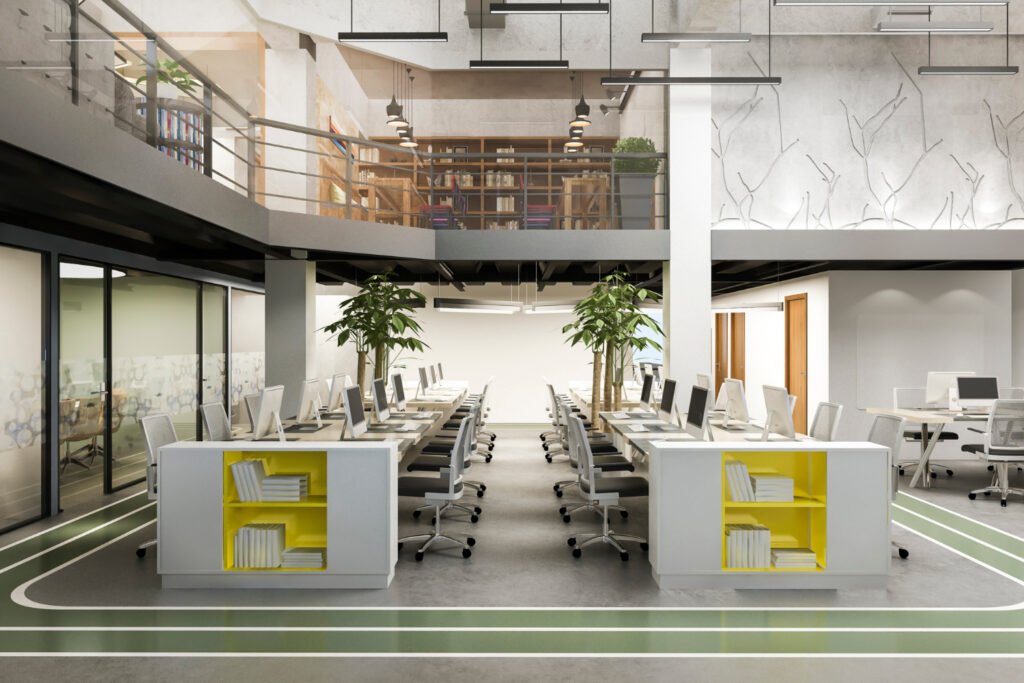
Modern workplaces are no longer just places where employees complete their daily tasks. Today, office environments play a significant role in shaping communication, productivity, creativity, and teamwork. A thoughtfully designed workplace can encourage employees to interact, share ideas, and work together more effectively. As organizations continue to prioritize collaboration and innovation, workplace design has become an essential factor in creating successful and high-performing teams.
The Relationship Between Design and Collaboration
Workplace design directly affects how employees communicate and engage with one another. The layout, furniture, lighting, and overall environment influence employee behavior throughout the workday. When a workspace is designed to support interaction, employees are more likely to exchange ideas, solve problems together, and build stronger professional relationships.
A well-planned office environment can remove barriers to communication while creating opportunities for spontaneous discussions and teamwork.
Creating Spaces That Encourage Interaction
Collaborative teams thrive in environments that make communication easy and accessible. Designing dedicated collaboration zones allows employees to gather for meetings, brainstorming sessions, and project discussions without disrupting others.
Comfortable seating arrangements, shared work areas, and flexible meeting spaces can encourage employees from different departments to connect and collaborate more frequently. These interactions often lead to improved problem-solving and innovative ideas.
The Importance of Office Layout
The physical arrangement of a workplace significantly impacts team dynamics. Offices with clear pathways and accessible shared spaces help employees move freely and interact naturally throughout the day.
While open-plan layouts can promote communication, they should be balanced with private areas for focused work. A successful office design considers both collaboration and concentration, ensuring employees have access to the right environment for different tasks.
Flexible Workspaces Support Modern Teams
Modern businesses often require employees to switch between individual work and group collaboration. Flexible workspaces accommodate these changing needs by offering a variety of work settings.
Movable furniture, adaptable meeting rooms, and multi-purpose spaces allow teams to adjust their environment based on project requirements. This flexibility supports productivity while encouraging collaboration across different teams and departments.
Natural Light and Employee Well-Being
Workplace design extends beyond furniture and layout. Natural light plays an important role in employee comfort and overall well-being. Bright, well-lit spaces can create a more positive atmosphere and improve employee satisfaction.
When employees feel comfortable in their environment, they are often more engaged and willing to participate in collaborative activities. Access to natural light and thoughtfully designed interiors can contribute to a healthier and more productive workplace culture.
Designing for Communication and Creativity
Creative thinking often emerges from casual conversations and unexpected interactions. Workplace design can encourage these moments by incorporating informal gathering areas where employees can connect outside of formal meetings.
Breakout zones, lounge areas, and collaborative workspaces provide opportunities for discussions that may lead to innovative solutions and fresh perspectives. These environments help foster a culture of openness and idea-sharing.
Technology Integration in Collaborative Spaces
Modern collaboration depends heavily on technology. Meeting rooms and shared workspaces should support seamless communication through integrated technology solutions.
Proper placement of screens, presentation systems, and connectivity features enables teams to collaborate efficiently, whether working in person or with remote colleagues. Technology-enhanced workspaces help maintain productivity and support modern business operations.
Balancing Privacy and Collaboration
While collaboration is essential, employees also need spaces where they can focus without distractions. Effective workplace design balances open collaborative areas with quiet zones and private meeting rooms.
Providing a variety of workspace options allows employees to choose the environment that best supports their current task. This balance helps maintain productivity while encouraging teamwork when needed.
Long-Term Benefits of Collaborative Workplace Design
Investing in workplace design offers benefits that extend beyond aesthetics. Collaborative office environments can strengthen communication, improve employee engagement, and support a positive workplace culture.
Organizations that prioritize thoughtful design often create environments where employees feel connected, motivated, and empowered to contribute. Over time, these improvements can enhance overall business performance and employee satisfaction.
Conclusion
Workplace design has a significant influence on team collaboration, communication, and organizational success. By creating environments that support interaction, flexibility, creativity, and employee well-being, businesses can foster stronger teamwork and improve productivity. Thoughtful workplace design is not simply about appearance—it is a strategic investment in people, culture, and long-term business growth.