
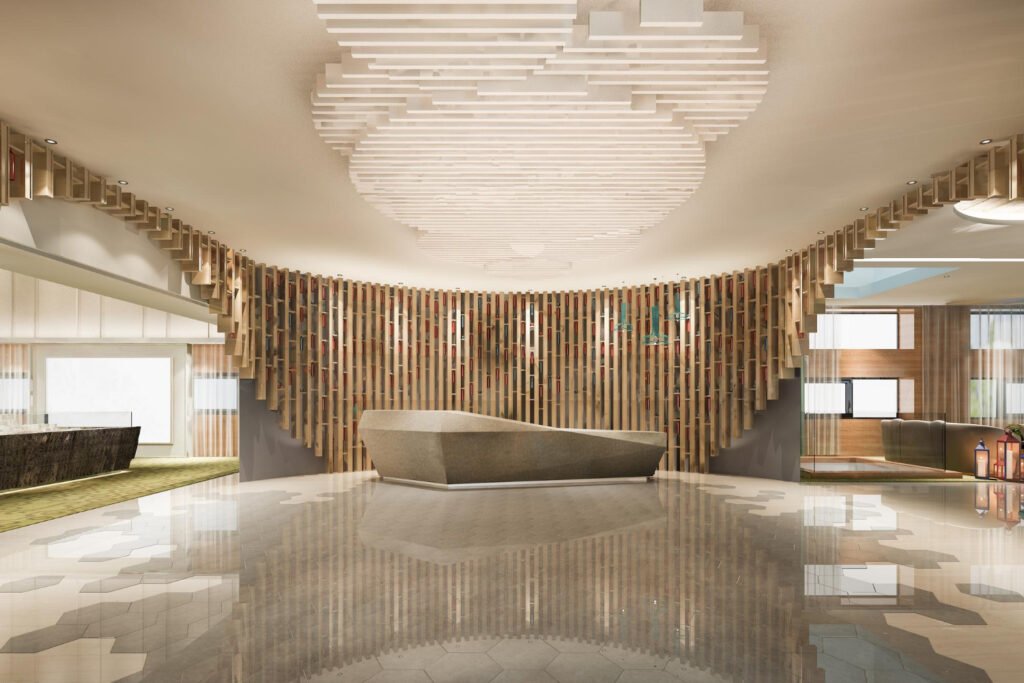
Reception Area Design is one of the most important aspects of commercial interior planning. As the first point of contact for visitors, clients, and business partners, the reception area creates an immediate impression of an organization. A well-executed reception area design not only enhances the visual appeal of a space but also communicates professionalism, brand values, and attention to detail. Whether it is an office, healthcare facility, hospitality venue, or corporate workspace, a thoughtfully designed reception area can leave a lasting positive impact.
Why Reception Area Design Matters
The reception area serves as the face of a business. Within seconds of entering a space, visitors begin forming opinions about the organization based on the environment around them. An organized, welcoming, and visually appealing reception area helps build trust and confidence.
Beyond aesthetics, this space also influences the overall visitor experience. A functional and comfortable reception area can make guests feel valued while supporting smooth day-to-day operations.
Reception Area Design That Creates a Welcoming Atmosphere
A welcoming environment encourages visitors to feel comfortable from the moment they enter. Comfortable seating, proper lighting, and a clutter-free layout all contribute to a positive first impression.
Designers often focus on creating a balance between elegance and functionality. By selecting suitable furniture and incorporating thoughtful design elements, businesses can create an inviting space that reflects their commitment to quality and customer care.
How Reception Area Design Reflects Brand Identity
Every business has a unique identity, and the reception area provides an excellent opportunity to showcase it. Colors, materials, textures, artwork, and furniture selections can all communicate a company’s values and personality.
For example, a modern technology company may choose sleek finishes and contemporary design elements, while a luxury brand may prefer sophisticated materials and refined detailing. A cohesive reception area design ensures that visitors immediately understand the character of the organization.
Reception Area Design and Effective Space Planning
Space planning is essential for creating a functional reception area. Visitors should be able to identify the reception desk easily and move through the space without confusion.
Well-planned layouts improve circulation, reduce congestion, and ensure that waiting areas remain comfortable and organized. Strategic placement of furniture and design features can maximize available space while maintaining a clean and professional appearance.
Choosing the Right Reception Desk
The reception desk is often the focal point of the entire space. Its design should align with the overall interior concept while supporting daily operational needs.
The size, shape, and placement of the desk influence both functionality and visual appeal. A well-designed reception desk creates a strong first impression while providing staff with an efficient workspace for interacting with visitors.
The Role of Lighting in Reception Area Design
Lighting significantly impacts the mood and appearance of a reception area. Natural light can make a space feel more open and welcoming, while carefully selected artificial lighting enhances visual comfort and highlights key design features.
Layered lighting techniques help create depth and sophistication. Combining ambient, task, and accent lighting allows designers to achieve both functionality and aesthetic appeal.
Creating Comfortable Waiting Areas
Visitors often spend time waiting in reception spaces, making comfort a key consideration. Comfortable seating arrangements, adequate spacing, and thoughtfully selected furnishings contribute to a pleasant experience.
A well-designed waiting area should accommodate different visitor needs while maintaining a professional appearance. Adding greenery, artwork, or subtle decorative elements can further enhance the atmosphere.
Reception Area Design for Better Visitor Experience
An effective reception area design focuses on the visitor journey. Clear signage, intuitive layouts, and welcoming interiors help guests feel confident and comfortable within the space.
Businesses that prioritize visitor experience often create environments that feel organized, professional, and inviting. These positive experiences can strengthen relationships and improve overall perceptions of the organization.
Balancing Functionality and Aesthetics
While visual appeal is important, functionality should never be overlooked. Successful reception areas combine beautiful design with practical solutions that support staff efficiency and visitor comfort.
Thoughtful material selection, durable furnishings, and intelligent space planning ensure that the reception area remains attractive and functional for years to come.
Conclusion
Reception Area Design plays a vital role in creating strong first impressions and enhancing visitor experiences. From reflecting brand identity to improving comfort and functionality, every design decision contributes to how a business is perceived. By investing in thoughtful planning, quality materials, and effective space utilization, organizations can create reception areas that are welcoming, memorable, and aligned with their professional image